

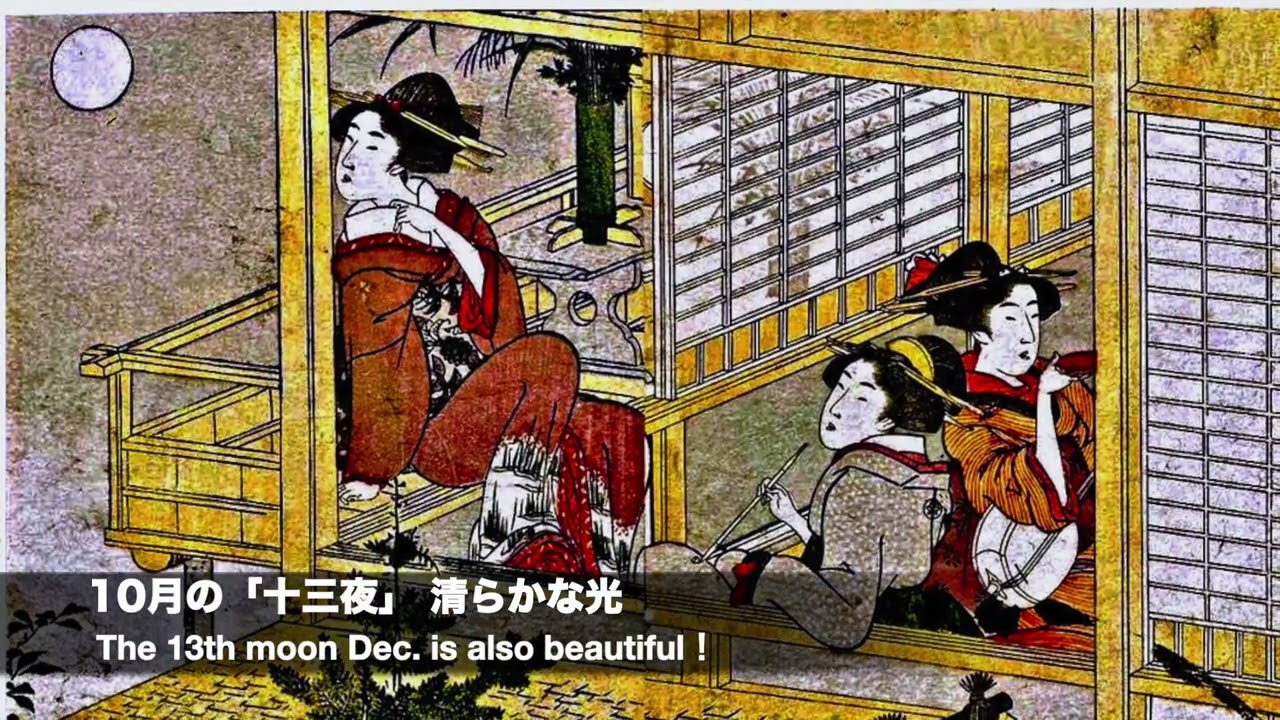
実乃鈴の推し浮世絵「与謝蕪村 夜色楼台図』YOSA BUSON (KYOTO in SNOW NIGHT )JPN paint 16C
与謝蕪村 もっと日本人が知るべき 心暖かいアーティスト
蕪村ヒストリーと共に、人となりと作品を鑑賞しましょう
春の海 ひねもすのたり のたりかな (日本人は 皆が知る有名な句)
蕪村さんは、絵師と俳句と良き指導者というマルチアーティスト
絵は 国宝・重要文化財も多数!
"The sea is calm in spring, and it looks like you're relaxing all day."
The famous haiku poet Bumura known to Japan was also a painter. Many of his paintings are national treasures and important cultural properties. I would like to introduce him to him because he had a good personality.
VIDEO
「与謝蕪村 夜色楼台図』YOSA BUSON (KYOTO in SNOW NIGHT )JPN paint 16C
この作品は「都会の夜を描いた最初の絵」と言われてます
小氷河期だった江戸時代らしく、雪の積もり方が今とは段違い
小さな町屋も、大きな寺も 皆して凍えそうな夜
ですけど・・・
よーく見れば、家々の灯り
今でも、京都・東山区など山に近いとこの夜は、暗〜い(寺社なので)
暗い道を歩かなあかん時、明かりが見えたら ホっ・・・
明かりって人を安心さえるんやね すごいなぁ と何度 思ったかしら
江戸時代、夜の明かりは、ろうそくか、油でした
油皿に入れて、灯心をちょいと皿から出して 火を付ける
それを、あんどんにセットして 明るさを増す
その油が、エゴマだったので、高かったそうです
庶民の多くは、節約のために、暗く過ごしてたそうですが、
菜種油が登場! エゴマよりずっと安く買えるようになって、
庶民の夜も、灯りを灯せるようになったのね
「菜の花や 月は東に 日は西に」
一斉に植えられ出した菜の花畑が想像できる 美しい句です
今の照明と比べたら 暗いでしょうけど、灯りがあると、気持ちもホッとする
人の温もりを感じます
蕪村さんは、むつみあうぬくもりを描いておきたかったのかな
Compared to modern lighting, the light from rapeseed oil lamps is dim, but having a light brings a sense of comfort. This is because it evokes the warmth of human presence. It seems that Buson wanted to depict the warmth shared by loved ones on a cold night.
BUSON HISTORY
大坂の 大きな農家の息子 として生まれたけど、
美人のお母さん(女中奉公してた)は、早々に実家へ戻されたとか
おっちゃんの手がついて産んだ子だからって、
幼児には ぜったい必要な母親を引き離すて・・・なんちゅうこと したん??
(男なら、責任取り!!!) 素直に怒る
お母さんは、丹後の与謝野町が故郷
美人薄明やったそうです
蕪村さんを いつも気にかけてたやろねぇ
He was born as the son of a large farming family on the outskirts of Osaka, the child of a beautiful woman who had worked as a maid and his father, who was the head of the household. However, the man did not take the woman as his wife or concubine, and after giving birth to him, his mother was sent back to her family home. To separate an infant from the mother, who is absolutely necessary... what a thing to do! (If you’re a man, take responsibility!!!) I am genuinely angry. Bunson’s mother was from Yosano Town in Tango. True to the saying about beautiful women and brief life, she was short-lived. She must have always been concerned about her son.
蕪村さんは 成人前に 故郷とされる大阪の片田舎を売って、江戸へ・・・
(二度と戻らなかったことから、良い印象がなかった地かと)
俳人 早野巴人の弟子となって 15、6年を過ごします
巴人さんは 下野の人で、粋なことに、
身寄りのない蕪村さんをずっと見た、ということみたい
そんなハーティな師とも 別れが来て、
夜半亭を継いで 二世となった蕪村さんは、
多分、師 ゆかりの人を挨拶して巡ってから、上洛
京で絵師の修行を始めました
Before reaching adulthood, BUSON left a rural area in Osaka and went to Edo... (It seems he didn't have a good impression of the place he was born, as he never returned.) In Edo, he became a disciple of the haiku poet HA-JIN and spent about 15 or 16 years there. HA-JIN was from Tochigi Prefecture, the first generation of YA-HAN-TEI. It seems he had been taking care of Buson, who had no family. He lost this kind-hearted master as well. After inheriting the YA-HAN-TEI name and becoming the second generation, BUSON probably visited people connected to his teacher to greet them before heading to Kyoto. There, he began training as a painter.
3年後、知恩院での句会で知り合い、意気投合したという
宮津の住職に誘われて 一緒に宮津へ
そこでの3年は 句と絵に邁進し、腕を上げました
子どもらに 手解きし、頼まれて描き、
頼まれなくても描いて、よくプレゼントしたとか(もらった人、いいなぁ〜〜〜)
江西寺でしたか、竹の葉で風を描いた屏風は、1度 この目で見たい!
お母さんの故郷が、隣町でしたので、もちろん、蕪村さんは行ってます
夏の暑さが吹き飛ぶような 気持ちよさを素直〜に詠んだのが
「夏河を 越す 嬉しさよ 手に草履」サイコーですね!
記憶があまりなかっただろうお母さんの故郷に、自分が居る
心から嬉しくなった
爽やかながらも、ジンと来ますね
俳句は嬉しいとか言わない 偉そーに言うおばちゃんもいますけど、この句をみよし!
(うちら 偉そうなんが 最も好かん)
そして、蕪村師は 洛中へ戻り、河原町四条あたりに住みました
当時は、現在ではビッグネーム絵師ばっかり固まって頃です
蕪村さんは 絵師として稼ぐ人、と自身を思ってらしたようです
池大雅との合作は有名ですね (なぜ、裕福とまでは行かなかった??の)
Three years later, he was invited by the head priest of Miyazu, whom he had met and instantly clicked with at a haiku gathering at Chion-in, to go to Miyazu together. During those three years, he devoted himself to haiku and painting, honing his skills. He taught children how to paint, fulfilled requests to create artwork, and even painted and gifted pieces without being asked (lucky are those who received them~~~).
At KOH-SAI-JI temple, there is a folding screen preserved that depicts wind with bamboo leaves. I really want to see it with my own eyes once! Since his mother’s hometown was in the neighboring town, BUSON, of course, went to visit it.
He composed a haiku that candidly conveyed the refreshing feeling that could blow away the summer heat: "Holding straw sandals in hand, crossing the summer river barefoot—cold, and oh, how delightful it is!" Simply the best! He probably didn’t have memories with his mother, but being in his mother’s hometown filled him with genuine joy. This haiku, while refreshing, also touches the heart deeply. (Haiku are not meant to say "I’m happy" or "I’m having fun." On TV, there’s a pretentious elderly woman who proudly corrects haiku, claiming so, but all her haiku are boring. Doesn’t she know this haiku? We don’t like arrogant people. )
Then, Master Buson returned to Kyoto and lived around Kawaramachi-Shijo.
At that time, it was a period when only big-name painters gathered there: JAKU-CHU, OKYO, TAIGA... Buson seemed to consider himself "a person who earns a living as a painter." His collaborations with Ike Taiga are famous. (Despite his popularity, why didn’t he become wealthy??)
蕪村の 夜半亭句会はざっくばらん
(よぉおる 俳諧の宗匠!って エラっそうさは ミジンもなく)
「類は友を呼ぶ」お弟子さんらも まぁ、ええ人ばっかり!
俳句の弟子ですけど、絵でも 師を助けたの
「・・・1度でいいから、高いーーーい 絖(ヌメ 薄く滑らかなシルク)に、
存分に描いてみたいなぁ」
思いあまったのか 蕪村さん、富くじ買ったりして・・・
「そんなもん、アテになるかいな!」
俳句のお弟子たちが 屏風講を作り、資金を集め、
師に存分に描いてもらい、それを講が受け取るシステムを実行してくれて!
蕪村さん、大いに腕を震えましたー!
その絵は、確か、国宝になってます ♪
真心姉弟でしたので、亡くなる時も心配なかったようす
一人娘がいましたが、「弟子たちに任せておけば大丈夫」
それがわかるラストの句
「白梅に 明る夜ばかり なりにけり」
清々しい 生涯の閉じ方です (どなたもが 憧れそう もちろんわたくしも!)
与謝蕪村 大回顧展は、世界ツアーでやるべきですね!
Buson’s Yahan-tei Haiku Gatherings were very informal and relaxed. (Many masters of haikai were arrogant, but he was the complete opposite.) "Birds of a feather flock together." His disciples were all good people!
They were not only Buson’s haiku disciples but also helped him with painting.
It seems Buson didn’t live a life of excess, so his dream of “painting freely on expensive, thin, smooth silk” didn’t seem possible. Out of desperation,
Buson bought a lottery ticket,. . . which his haiku disciples saw.
Then, his disciples created a folding screen fund, pooled resources, bought expensive screens, and had him paint freely, with the finished work going to the group! Buson certainly put his heart into it! That painting, if I’m not mistaken, has become a National Treasure.
They were siblings connected by genuine affection, so it seems he had no worries even at the time of his death.
Buson had one daughter, but he thought, “If I leave it to my disciples, everything will be fine.”
The final haiku shows this clearly: "On the white plum, only the night that breaks into morning has come." It means the bright morning when the white plum blossoms is just about to come.
A refreshing way to close one’s life (something anyone would admire. Of course, I do too!) A Grand Retrospective of
Yosa Buson should be held as a world tour!





コメント